Strategic acquisitions
WHERE ARE THE OPPORTUNITIES OTHERS HAVEN’T IDENTIFIED?
The best commercial property opportunities are not always the ones with the strongest marketing campaign, the longest lease or the highest headline yield.
Sometimes the opportunity sits in something the market has overlooked.
A rent below market.
A property with more flexible future use than the current tenancy suggests.
A building that presents poorly but has strong underlying fundamentals.
An asset capable of attracting a broader tenant base.
A site with future redevelopment potential.
Or a property where the risk has been priced more aggressively than the evidence justifies.
Strategic acquisition is about looking beyond what the property is today and understanding what else it could become, what could improve and where value may not yet be fully identified.
The objective is not to speculate.
It is to identify opportunities where the underlying property, market evidence and future possibilities provide a stronger investment case than the headline numbers initially suggest.
Start with what the market is already telling you
A property only becomes an opportunity when the price appropriately reflects its risks and potential.
A property appearing inexpensive does not necessarily mean the market has overlooked an opportunity.
Sometimes a lower price is entirely justified.
The building may be obsolete.
The tenant may be weak.
The rent may be unsustainable.
The location may be losing relevance.
The property may require significant capital expenditure.
Before looking for hidden upside, we first need to understand what the market appears to have already priced in.
Why is this property being offered at this return?
Why has it not already attracted stronger demand?
What does the current price imply about the market’s view of the risk?
Only then can we consider whether that view is justified.
LOOK FOR UNDERVALUED, NOT JUST CHEAP PROPERTY
Cheap and undervalued are not the same thing.
A cheap property can remain cheap for very good reasons.
A strategically attractive property is different.
It may be priced in a way that does not fully reflect:
- Its underlying land value
- Its future leasing potential
- Its flexibility
- Its income growth
- Its alternative use
- Its development possibilities
- Its position within a changing precinct
- Or the strength of the underlying real estate
The challenge is distinguishing between an asset the market has misunderstood and one the market has correctly discounted.
That requires evidence.
Value is created when the reason for the discount can be understood, managed or improved.
FIND THE GAP BETWEEN CURRENT RENT AND MARKET RENT
Today's income may not reflect tomorrow's value.
One of the clearest sources of potential opportunity can occur when the rent being paid today differs materially from the rent the market would support.
A property may be under rented because:
- The lease was negotiated several years ago
- The market has strengthened
- Rent reviews have not kept pace
- The tenant has occupied the premises for a long period
- The lease structure has delayed a market adjustment
That does not mean the higher rent can be accessed immediately.
The lease terms determine when and how any rental reversion may occur.
But understanding the relationship between current rent and market rent can reveal a part of the investment case that may not be obvious from the current yield.
The reverse is equally important.
A property that appears attractive because of unusually high current rent may carry hidden downside if that income cannot be maintained.
We want to know where the rent is heading, not simply where it is today.
Look through the current tenancy
The current use may not define the property.
Commercial property is often marketed around its existing tenant.
But the existing tenancy is only one period in the life of the asset.
A strategic acquisition requires a broader view.
Could the building suit a different type of tenant?
Could it accommodate multiple occupants?
Could the layout be improved?
Could additional space be created?
Could underused land become more valuable?
Could the property appeal to an owner occupier?
Could an alternative use broaden the future market?
The more options an asset provides, the less dependent it may be on one outcome.
Flexibility can create value long before it appears in the rent.
Understand the land
Buildings change. Land is harder to replace.
The building may produce the income, but the land often provides much of the long term strategic value.
We consider:
- Site area
- Site coverage
- Access
- Frontage
- Shape
- Topography
- Parking
- Hardstand
- Planning controls
- Surrounding uses
- Future development
- Scarcity of comparable sites
A property may have an ordinary building but an exceptional site.
Another may have a high quality building sitting on land with limited future flexibility.
Neither is automatically better.
The opportunity lies in understanding what the combination of land and improvements allows now and may allow in the future.
Assess how easily the building can be used and re leased
A commercial building should be judged by how well it works for the current tenant and how easily it could work for the next one.
Age is not necessarily the issue. An older building with practical access, good clearance and a flexible layout can be easier to lease than a newer building designed for a narrow range of occupiers.
We assess features such as:
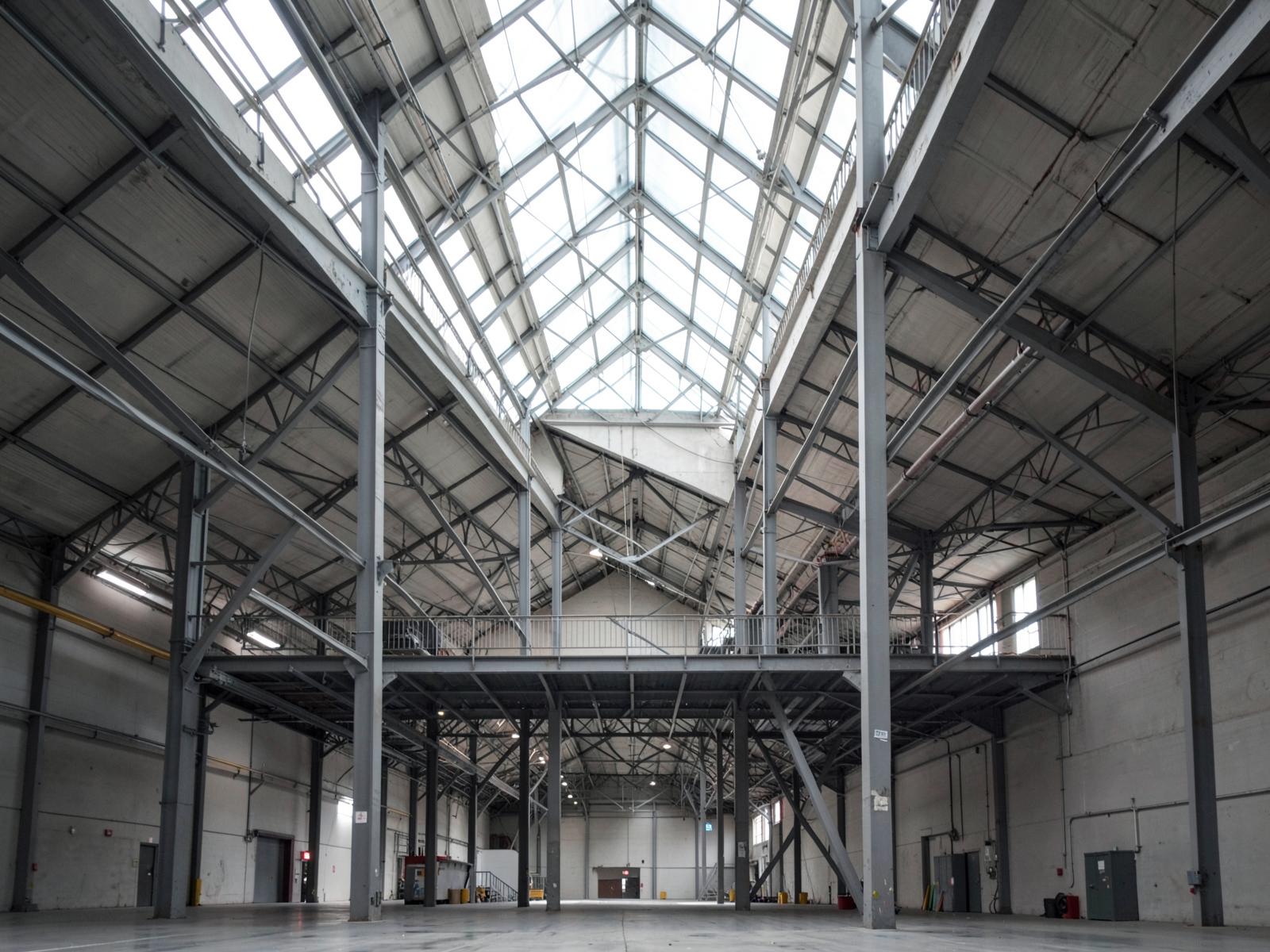
- Efficient floorplates
- Vehicle and truck access
- Loading areas
- Ceiling clearance
- Parking
- Power supply
- Natural light
- Separation of office and operational areas
- Ability to divide or combine tenancies
- Signage and exposure
- Cost and ease of refurbishment
These features directly affect the number of businesses that could occupy the property, the cost of adapting it for a new tenant and the time it may take to re lease.
The broader the building's practical appeal, the stronger its future leasing prospects are likely to be.
Identify problems that can be fixed
Not every imperfection is a reason to walk away.
Some properties are discounted because they have obvious issues.
Poor presentation.
Deferred maintenance.
Vacant space.
An inefficient lease structure.
Weak marketing.
Minor configuration problems.
A tenancy nearing expiry.
These issues may create opportunity if they are understood and can be resolved at a sensible cost.
A problem you can fix
versus
An impediment you will continue to own.
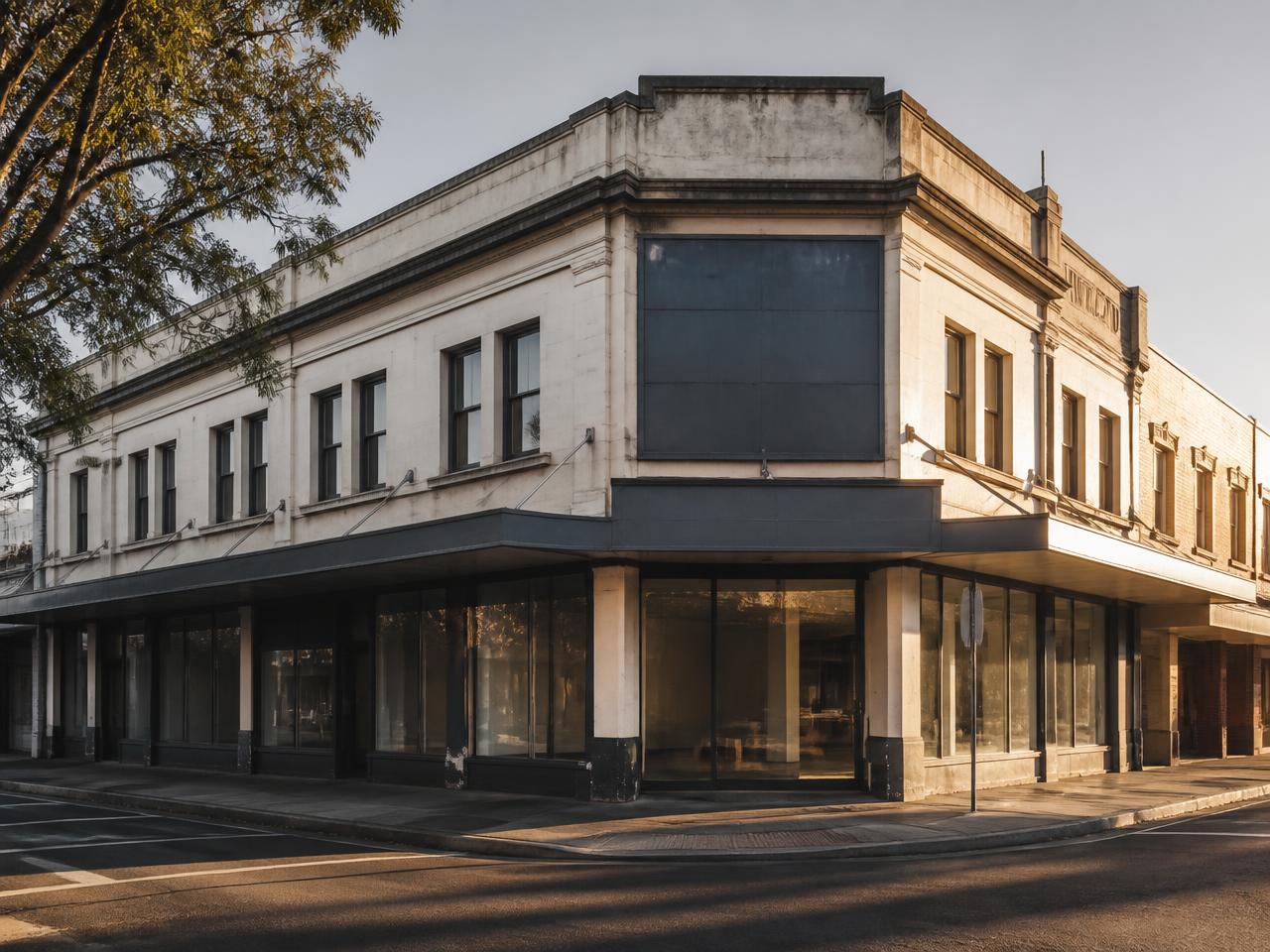
A tired building can be refurbished.
A poor entrance can sometimes be improved.
Vacant space can be leased.
But a fundamentally poor location, unusable site or highly restrictive property can be much harder to change.
DISTINGUISH VALUE-ADD FROM SPECULATION
Improvement should have a commercial basis.
A value-add strategy should not depend on hope.
Before relying on an improvement, we want to understand:
What needs to change?
What will it cost?
How long will it take?
What approvals are required?
Who will pay for the work?
What income should result?
What market evidence supports that assumption?
What happens if the improvement takes longer or costs more?
And what is the property worth if the strategy is never completed?
The best strategic opportunities often have more than one path to an acceptable outcome.
That creates resilience.
FOLLOW THE MARKET
Future value starts with future demand.
A property’s value is ultimately connected to the willingness of occupiers to use it and investors to own it.
That means strategic acquisition requires an understanding of the market.
We consider:
What types of businesses are expanding?
What types of property are difficult to find?
Where is vacancy tightening?
Where are tenants moving?
What building characteristics are becoming more important?
What rents are being achieved?
What incentives are required?
What properties are sitting vacant?
This can reveal opportunity before it becomes obvious through sale prices.
Investor demand often follows leasing demand.
Look for locations that are changing for a reason
Growth stories need evidence.
Commercial property investors are frequently presented with stories about the next emerging location.
Population growth.
Infrastructure.
Rezoning.
New transport links.
Major developments.
These factors can matter.
But they do not automatically translate into stronger commercial property performance.
We want to understand the mechanism.
Will infrastructure improve access?
Will new housing create demand for services?
Will land supply become more constrained?
Will businesses have a reason to relocate?
Will planning changes allow more valuable uses?
Will the area attract a deeper tenant market?
The opportunity is not the change itself. It is whether that change creates stronger demand, better access, more valuable uses or a deeper tenant market for the property.
Assess whether the building will remain useful
A property can be physically sound and still become less attractive to future tenants.
Businesses change the way they operate. Building standards evolve. Technology, logistics and workplace requirements also change.
That means we need to look beyond the current condition of the building and ask whether it is likely to remain functional and relevant over time.
We consider questions such as:

Will the building still suit the needs of future tenants?
Could its layout, access, services or configuration limit demand?
What upgrades may be required to keep it competitive?
How much could those improvements cost?
If the building becomes outdated, does the underlying land still support the value of the property?
This is particularly important when assessing older assets. A higher yield can look attractive, but it may partly reflect the cost or difficulty of keeping the property relevant to future occupiers.
Consider the owner occupier market
Investors are not always the only buyers.
Some commercial properties have two potential future markets.
Investors who value the income.
And owner occupiers who value the property for their own operations.
That can be important.
An owner occupier may assess the property differently from an investor.
They may place greater value on:
- Location
- Access
- Exposure
- Business efficiency
- Parking
- Land
- Expansion potential
- Or the ability to control their premises
A property capable of appealing to both groups may have a broader future buyer pool.
That does not guarantee a better result.
But it can create another potential source of demand.
Look at what happens when the lease expires
Lease expiry can be a risk or an opportunity.
Properties approaching lease expiry are often viewed cautiously.
Sometimes that caution is justified.
But lease expiry can also create possibilities.
It may provide an opportunity to:
- Reset an under market rent
- Reconfigure the premises
- Complete refurbishment
- Secure a stronger tenant
- Split the property
- Change the use
- Sell to an owner occupier
- Or pursue redevelopment

The important question is whether the underlying property supports those alternatives.
If it does not, the approaching expiry may simply represent increased risk.
Optionality has value only when the options are realistic.
Know which risks you are being paid to take
Strategic does not mean risk free.
Opportunities others have overlooked often exist because there is uncertainty.
The tenant may be leaving.
The lease may be short.
The property may need work.
The income may need to be reset.
The location may be evolving.
The building may require repositioning.
Risk is not automatically a reason to reject an opportunity.
But it should be identifiable, measurable where possible and appropriately reflected in the price.
What can go wrong?
How likely is it?
What would it cost?
How long could it take to resolve?
Can the investor carry the property during that period?
What happens if the preferred strategy does not work?
The return should compensate for the risk being accepted.
Be patient with the price
Opportunity can disappear at the wrong price.
Once investors identify potential upside, it is easy to begin paying for that upside before it has occurred.
That defeats much of the purpose.
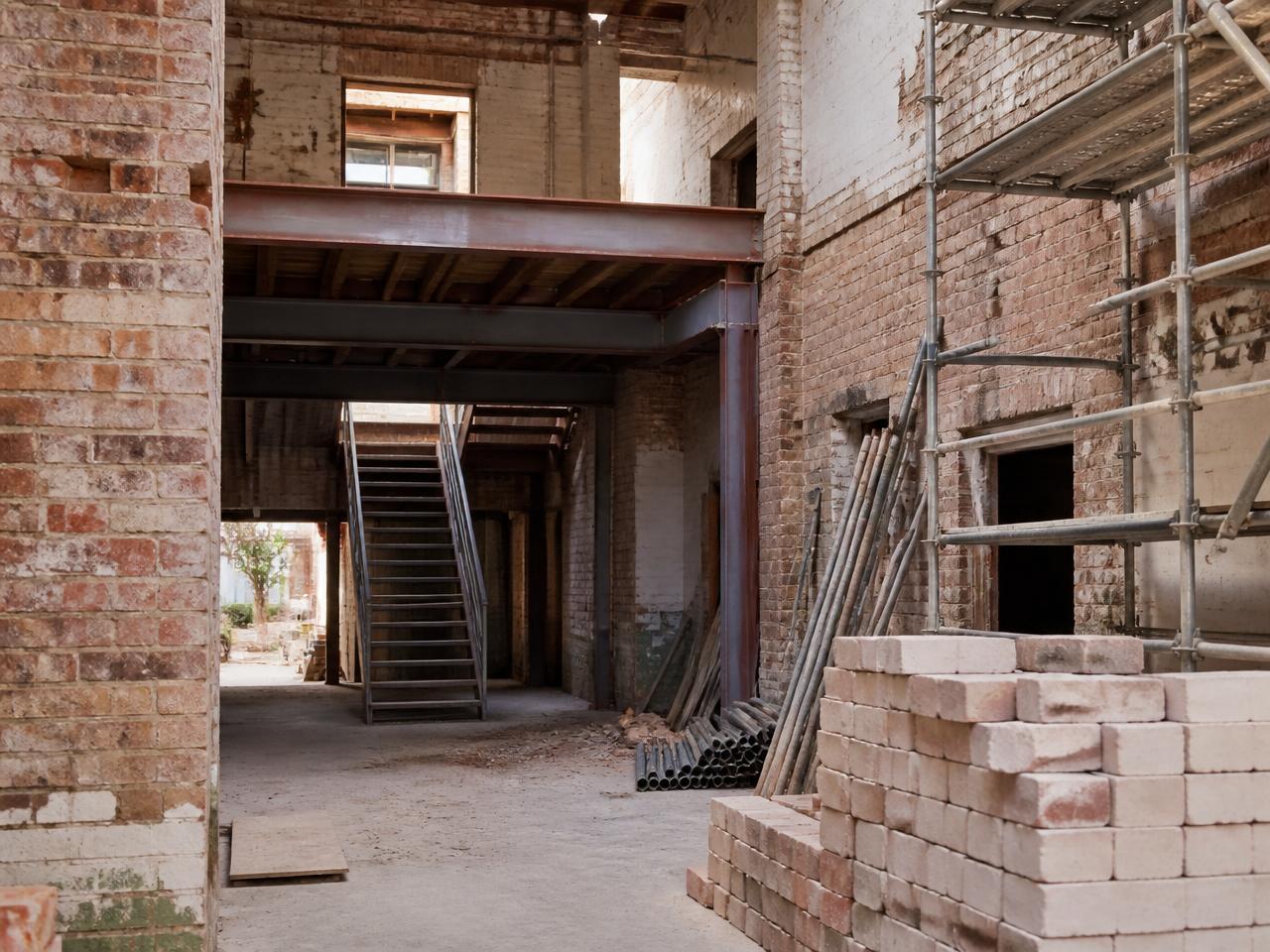
If a property requires improvement, reletting, redevelopment or another future event to unlock value, the purchase price should reflect the work and risk still required.
We consider:
- Current income
- Market rent
- Comparable sales
- Vacancy
- Capital expenditure
- Transaction costs
- Leasing costs
- Incentives
- Holding costs
- Planning risk
- Time
- Execution risk
- And the value of the property if the preferred strategy does not eventuate
A strategic acquisition should leave room for the strategy to work.
Where can the opportunity come from?
There is no single formula. But when we assess properties strategically, we are often looking for one or more of the following:
01
Income below its sustainable market potential
02
A strong underlying property hidden by a weak presentation or short term issue
03
Greater flexibility than the current use suggests
04
Land value or development potential not fully reflected in the current income
05
A broader future tenant or buyer market than the current positioning implies
06
A fixable problem that has discouraged other buyers
07
A change in the surrounding market that could improve the property's relevance
08
A price that provides adequate compensation for identifiable and manageable risk
None of these automatically makes a property worth buying.
They are reasons to investigate further.
The questions we would want answered
Six things we would want clarity on
Before recommending a strategic acquisition, we would want clarity around six things:
01
What does the market appear to be overlooking?
02
Why does that opportunity exist?
03
What evidence supports our view rather than the market's current position?
04
What needs to happen for the opportunity to be realised?
05
What happens if our preferred strategy does not occur?
06
Does the purchase price leave enough room to compensate for the risk, time and capital required?
If those questions can be answered convincingly, the opportunity may be more than a story.
It may represent a genuine mismatch between what the property is worth today and what the market currently recognises.
The best opportunity is not always the most obvious property.
Strategic acquisition is not about predicting the future.
It is about understanding the asset well enough to recognise possibilities that are supported by the property, the market and the evidence.
Sometimes the opportunity is income.
Sometimes it is land.
Sometimes it is flexibility.
Sometimes it is a problem the market has overestimated.
And sometimes the best strategic decision is recognising that the apparent opportunity is already fully reflected in the price.
Our role is to find the distinction.