
Investing in commercial property
How do I identify an asset worth owning?
A commercial property can look attractive for many reasons.
A strong yield.
A long lease.
A well-known tenant.
A new building.
A growing location.
None of those things, on their own, make it a good investment.
An asset worth owning is one where the property, income, lease, tenant and price work together, and where the investment still makes sense when you consider what could change in the future.
The objective is not simply to find a property producing income today.

It is to understand what you are buying, why the income exists, what could threaten it and who is likely to want the property after you.
Start with the asset, not the yield
Yield is an output. Not an investment strategy.
Headline yield is one of the easiest numbers to compare between commercial properties.
It is also one of the easiest to misunderstand.
A higher yield may reflect an attractive buying opportunity.
Or it may be the market’s way of pricing greater risk.
That risk could relate to the tenant, the lease, the building, the location, future capital expenditure or the ability to re-lease the property.
Before deciding whether a yield is attractive, ask:
What is the market pricing into this yield?
The answer matters more than the number.

Understand the income
The rent is only valuable if it is sustainable.
Commercial property is often purchased for its income, so understanding the quality of that income is fundamental.
That means looking beyond the annual rent and examining:
- How the current rent compares with market rent
- How frequently the rent is reviewed
- Whether reviews are fixed, CPI-linked or market-based
- Who pays the property outgoings
- Whether incentives have influenced the effective rent
- Whether the tenant has options to renew
- Whether guarantees or other security are in place
- How sustainable the rent is for the tenant
A property producing $150,000 a year is not necessarily more valuable than one producing $130,000.
The better investment may be the one where the income is built on stronger fundamentals.
LOOK AT THE TENANT BUT DON'T STOP THERE
A good tenant helps. A good property matters longer.
The tenant supporting the income deserves careful consideration.
Who are they?
How strong is their business?
How long have they occupied the premises?
How important is this particular property to their operations?
What is their industry exposure?
What security sits behind the lease?
But even a strong tenant will eventually leave.
What do I own when the lease ends?
An investment that only makes sense because of the current tenant may carry more risk than the headline figures suggest.
Read the lease as an investor
A long lease is not automatically a good lease.
Lease length is important, but it should never be considered in isolation.
The terms of the lease determine how the property’s income behaves over time.
Consider:
- Remaining lease term
- Options
- Rental reviews
- Market review provisions
- Outgoings recovery
- Repairs and maintenance obligations
- Make-good provisions
- Guarantees
- Assignment provisions
- Redevelopment clauses
- Tenant break rights
- Incentives and side agreements
A ten year lease at an unsustainable rent can create a very different investment outcome from a ten year lease where the income is aligned with the market.
Duration matters. So do the terms supporting it.
Own real estate that other people will want
Today's tenant is temporary. The property remains.
One of the most useful ways to assess a commercial property is to imagine it vacant.
Then ask:
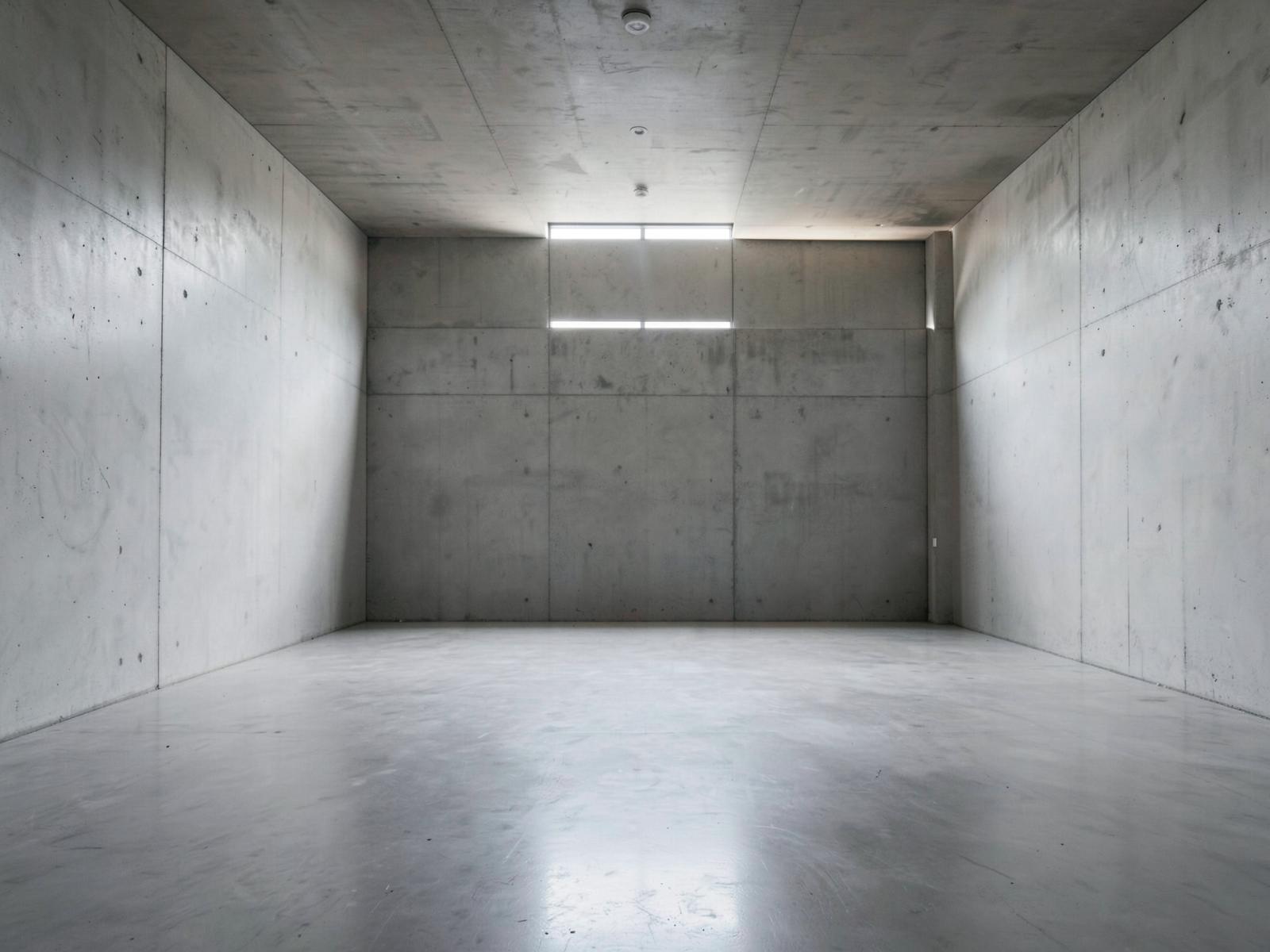
Would another tenant want to occupy this building?
Consider the characteristics that influence future demand:
- Location
- Access
- Exposure
- Parking
- Land size
- Building configuration
- Ceiling height or clearance
- Loading and vehicle access
- Power
- Amenities
- Floorplate
- Building age and condition
- Flexibility of use
- Planning controls
- Surrounding development
The more specialised a property is, the smaller its potential tenant pool may become.
That does not automatically make it a poor investment.
But the risk needs to be understood and reflected in the price.
Know what the next tenant might pay
Current rent and market rent are not the same thing.
The rent stated in the lease tells you what the tenant is paying today.
It does not necessarily tell you what the property would achieve if it were leased today.
That distinction can materially affect value.
If the property is over-rented, the income may appear attractive while the asset itself is worth less on a market basis.
If the property is under-rented, there may be future rental growth, although the lease terms will determine when and how that can be realised.
How sustainable is today’s income?
What happens if the property needs to be re-leased?
Understand what you may need to spend
Income before capital expenditure is only part of the picture.
Commercial buildings require capital.
Roofs fail.
Air-conditioning systems age.
Fire services require upgrades.
Car parks deteriorate.
Lifts, electrical systems, façades and building services eventually need attention.
A property offering an attractive yield can become considerably less attractive if substantial expenditure is approaching.
Before buying, consider both the obvious condition of the property and the likely future capital requirements of ownership.

The relevant return is not simply what the property pays. It is what remains after owning it properly.
Buy the location — but understand why it works
“Good location” is not specific enough.
Commercial property locations need to be assessed according to the needs of the people and businesses that use them.
For industrial property, that may mean transport access, labour, arterial roads and proximity to customers.
For retail, it may mean visibility, passing traffic, catchment, parking and surrounding businesses.
For office, it may involve amenity, public transport, parking and employee accessibility.
For medical, demographics, complementary uses and accessibility may matter more.
The question is not simply whether the suburb is desirable. It is:
Why would businesses continue to want to operate from this location?
Consider the downside before the upside
Good investing includes asking uncomfortable questions.
Before buying, consider what happens if circumstances do not unfold as expected.
What if the tenant leaves?
What if the business fails?
What if market rent falls?
What if incentives rise?
What if the building becomes obsolete?
What if significant capital expenditure is required?
What if interest rates remain higher?
What if the property takes six or twelve months to re-lease?
What if you need to sell earlier than planned?
The purpose is not to find a risk-free property.
There is no such thing.
It is to understand the risks you are taking before deciding whether the expected return adequately compensates you for them.
Think about the exit before you buy
The future buyer matters too.
Commercial property is less liquid than many other investments.
The characteristics that make a property attractive to you today will also influence who wants to buy it from you later.
Consider:
- Likely future buyer pool
- Expected price bracket
- Asset quality
- Remaining lease term
- Tenant appeal
- Potential vacancy
- Land component
- Redevelopment potential
- Building obsolescence
- Local market depth
An asset that can appeal to both investors and owner-occupiers may have a different exit profile from a highly specialised investment dependent on one type of buyer.
You do not need to know exactly when you will sell. But you should understand what you may eventually be selling.
Then consider the price
A great asset can still be a bad acquisition.
Once the fundamentals stack up, the final question is what the property is worth.
That requires more than applying a yield to the rent.
Price should be considered against:
- Comparable sales
- Market rent
- Lease structure
- Tenant covenant
- Property quality
- Land value
- Replacement cost
- Future capital requirements
- Leasing risk
- Location
- Current market conditions
There is a price at which almost every property becomes attractive.
And a price at which even an excellent property stops making sense.
Asset selection and price discipline cannot be separated.
The test we keep coming back to
Six questions we want to answer clearly
When assessing a commercial property, we want to be able to answer six questions clearly:
01
What exactly are we buying?
02
How strong and sustainable is the income?
03
What happens if the current tenant leaves?
04
What could require additional capital?
05
Who else is likely to want this property in the future?
06
Are we being adequately compensated for the risks we are accepting?
If those answers remain compelling after the property has been properly investigated, you may have found an asset worth owning.
If they do not, a high yield, long lease or attractive brochure should not change the conclusion.
Good commercial property investing is a process of elimination.
Most properties will not be right.
That is not a problem.
The objective is not to buy for the sake of buying.
It is to own commercial property worth owning.