
LOCATION — VIC
Commercial Property Buyers Agent Melbourne South East
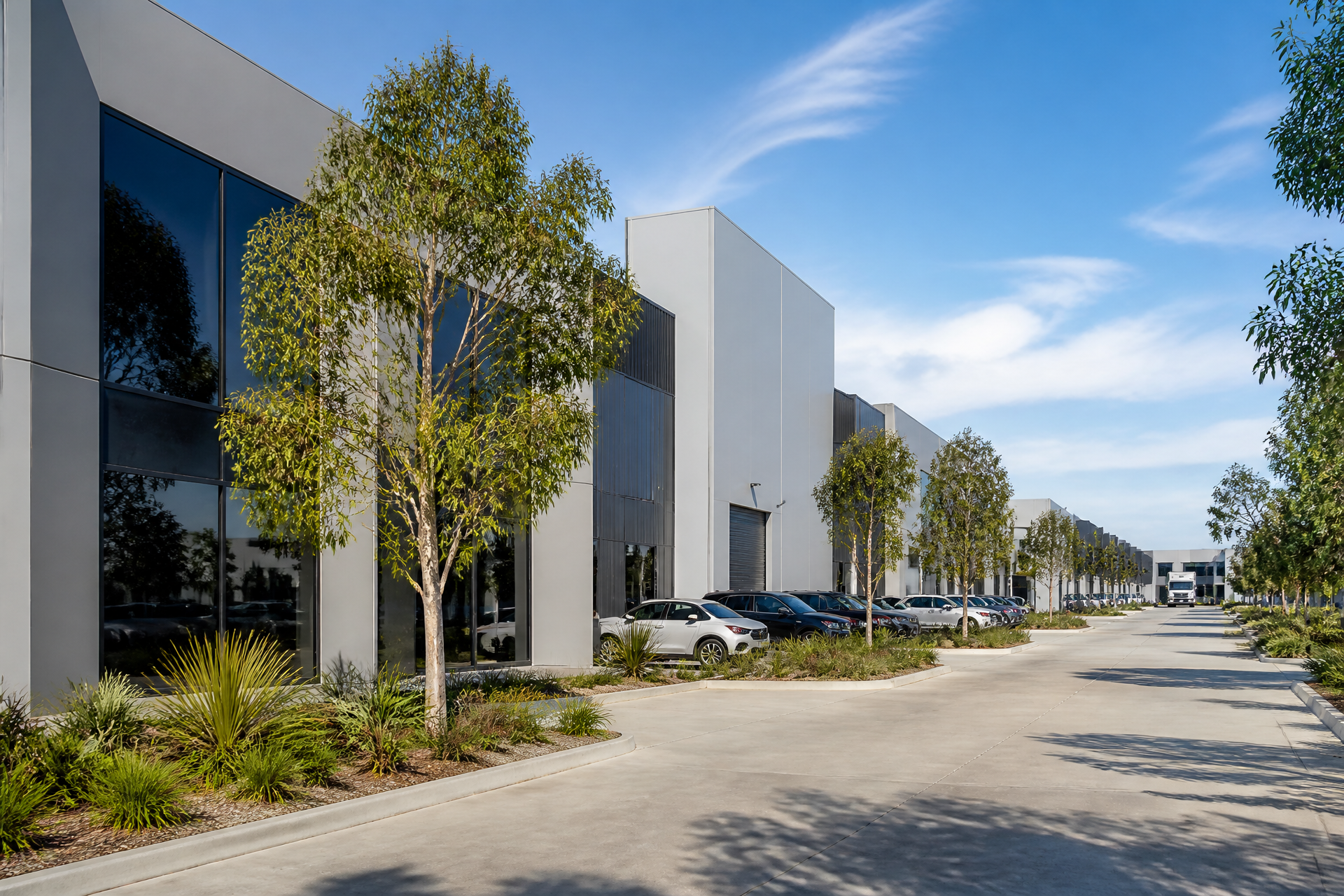
Melbourne’s South East is one of the city’s most established and diverse commercial property markets, combining major industrial precincts, logistics, healthcare, professional services and large residential catchments.
Buying commercial property in Melbourne’s South East
Melbourne’s South East is one of the city’s most established and diverse commercial property markets.
It combines major industrial precincts, manufacturing, logistics, trade businesses, healthcare, technology, professional services and large residential catchments. Locations such as Dandenong South, Keysborough, Braeside, Moorabbin, Clayton and surrounding areas each support different types of commercial activity.
For investors, that creates a broad range of opportunities.
But it also means that properties only a short distance apart can have very different tenant markets, land values and future supply.
At UB Commercial, we represent investors and business owners acquiring commercial property throughout Melbourne’s South East.
Our focus is on identifying assets where the property, location, tenant demand, income and purchase price combine to create a strong investment case.
Why investors consider Melbourne’s South East
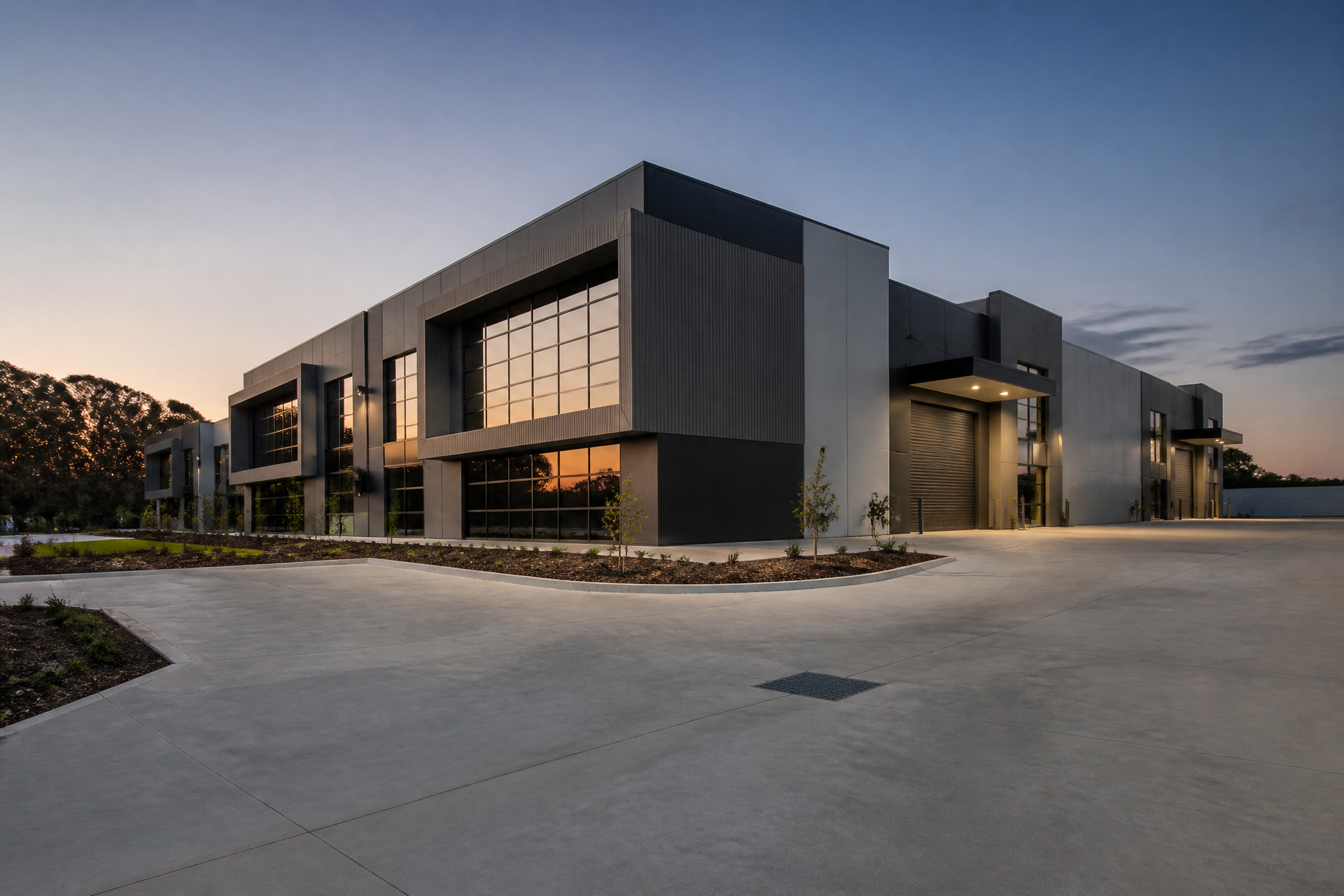
A deep and established business market
One of the strengths of the South East is the diversity of businesses operating across the region.
Manufacturing, warehousing, distribution, construction, automotive, healthcare, technology and trade businesses all contribute to demand for commercial premises.
This depth can be valuable for investors because it may provide a broader pool of potential tenants.
But we still want to understand the individual precinct.
What types of businesses operate nearby?
What size premises do they need?
How much competing property is available?
What rents are businesses actually paying?
Would another tenant want the property if the current lease ended?
A large commercial market provides choice.
The individual asset still needs to suit the businesses that create the demand.
Dandenong South industrial property
Scale and functionality matter
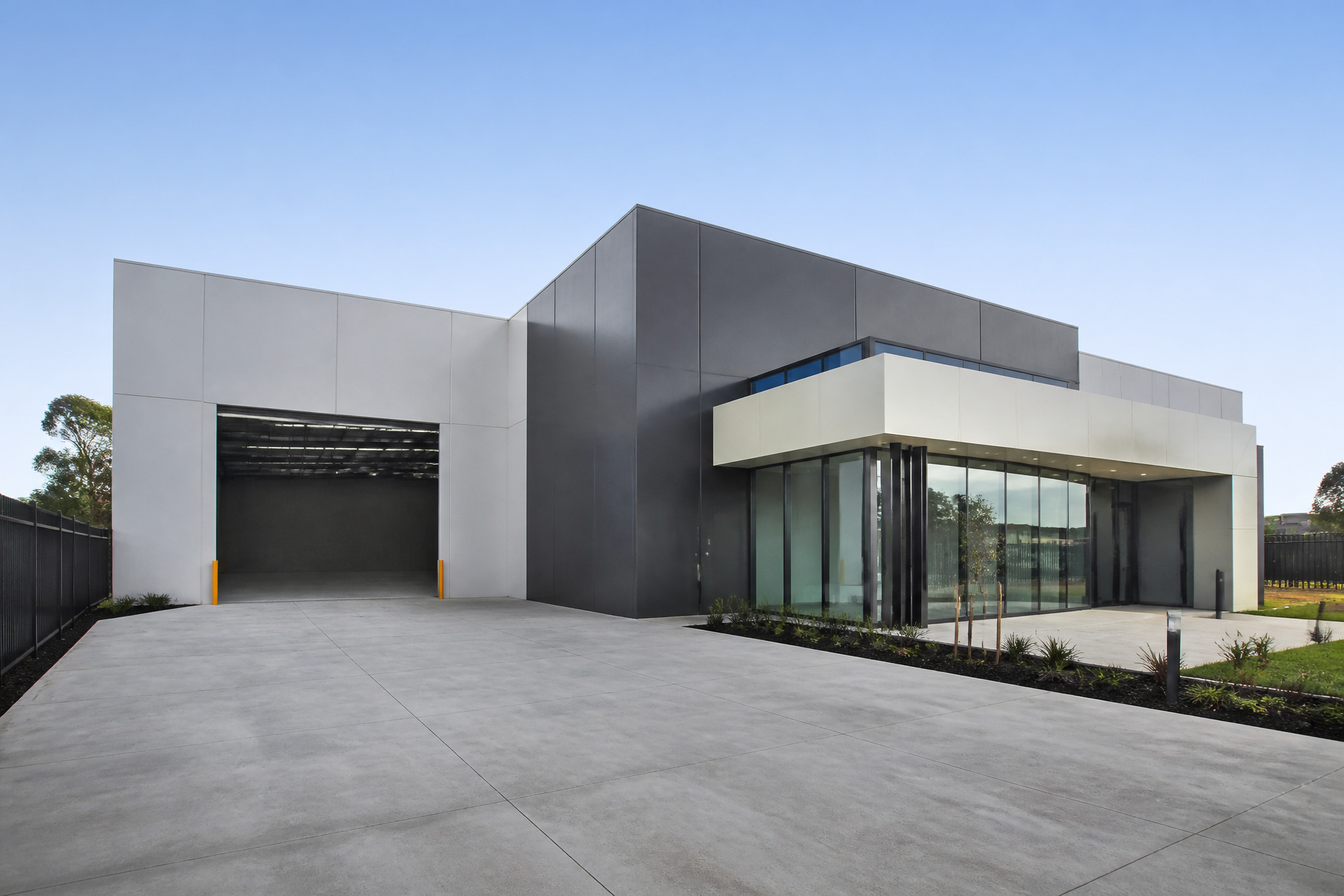
Dandenong South is one of Melbourne’s major industrial and employment precincts.
It accommodates a wide range of manufacturing, logistics, distribution and trade businesses, with properties ranging from smaller industrial units to substantial warehouses and specialised facilities.
For investors, that depth of occupier demand can be attractive.
But property selection remains important.
We consider:
- Truck and vehicle access
- Warehouse clearance
- Loading facilities
- Hardstand
- Parking
- Power supply
- Office content
- Land area
- Site coverage
- Building condition
- Expansion potential
- Ability to divide the premises
- Alternative tenant demand
A large industrial market may provide more potential tenants.
But it can also provide tenants with more alternatives.
That means the building needs a reason to remain competitive.
A strong industrial location is most valuable when the property itself works efficiently for the occupier.
Keysborough and surrounding industrial markets
Proximity needs to translate into business efficiency
Keysborough and surrounding areas provide access to established industrial and residential markets across Melbourne’s South East.
For occupiers, access to customers, staff, suppliers and major transport routes can all influence location decisions.
From an investment perspective, we want to understand how those advantages apply to the particular property.
Is access straightforward?
Can trucks move efficiently through the site?
Does the building suit the types of businesses operating nearby?
Is parking adequate?
Is the property easy to find?
Could another business move in without major changes?
The value of location is practical.
It comes from making the property easier and more efficient for businesses to use.
Braeside and Moorabbin
Established locations can attract both tenants and owner occupiers
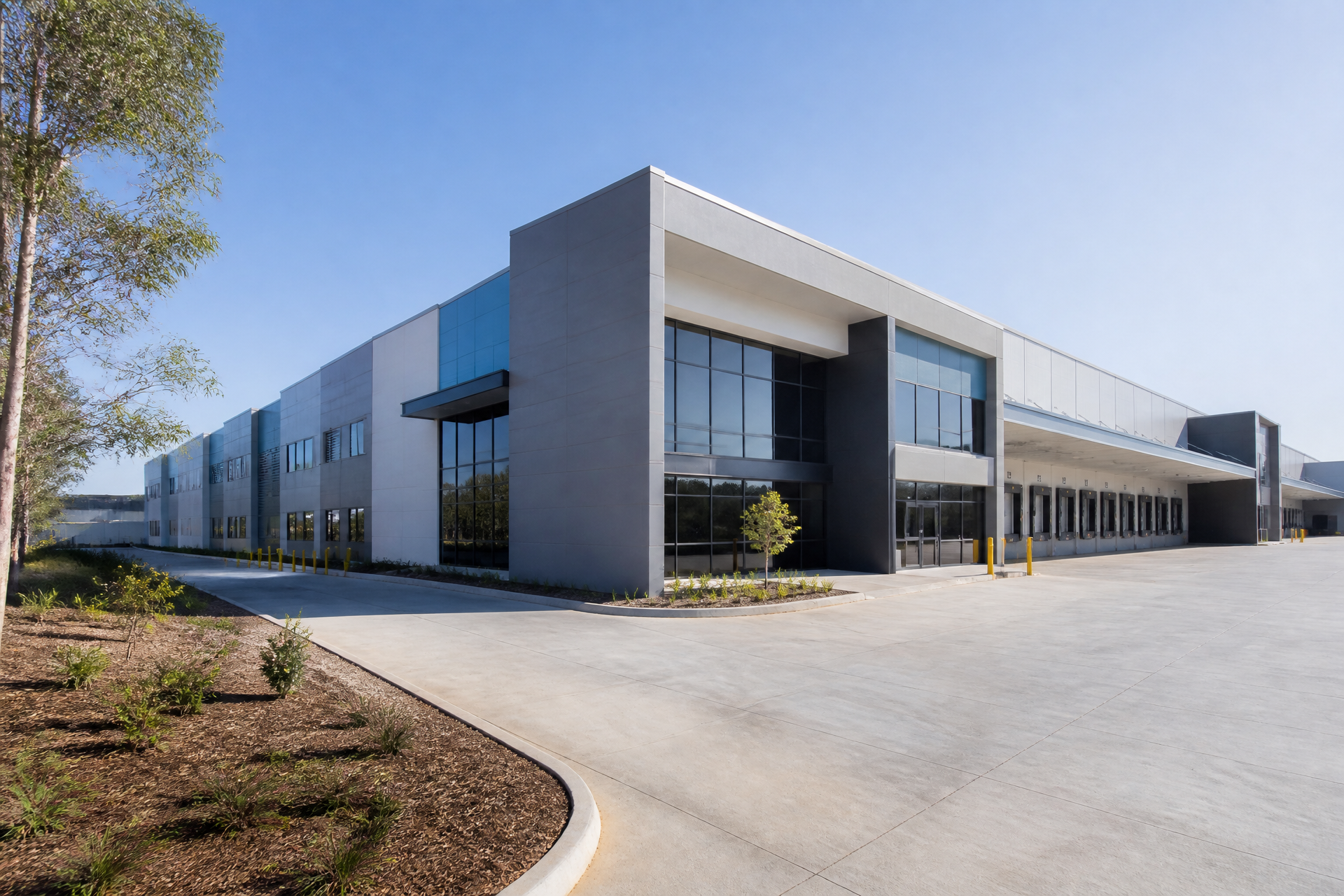
Braeside and Moorabbin have long established commercial and industrial markets serving a wide range of smaller and mid sized businesses.
These locations can be attractive to companies that value proximity to established residential areas, customers and workforce catchments.
They can also attract owner occupiers.
That creates a different dynamic from larger industrial estates dominated by logistics tenants.
For investors, smaller warehouses and commercial buildings may appeal to:
- Trades
- Wholesalers
- Service businesses
- Light manufacturers
- Distributors
- Automotive businesses
- Business owners seeking their own premises
A well configured property that appeals to several of these groups may offer greater flexibility when the current lease ends.
Clayton and the broader Monash commercial market
Commercial demand extends beyond warehouses
The South East also supports substantial healthcare, technology, education, professional and service based business activity.
Areas around Clayton and the broader Monash employment market can therefore present opportunities beyond traditional industrial property.
For office, medical and specialist commercial assets, we may place greater emphasis on:
- Accessibility
- Parking
- Public transport
- Building presentation
- Floorplate
- Disability access
- Fitout
- Surrounding services
- Market rent
- Alternative occupiers
The relevant property characteristics depend on the tenant.
A warehouse needs to move goods efficiently.
A medical practice needs convenient access for patients.
An office needs to attract staff and clients.
The property should be assessed according to the businesses most likely to use it.
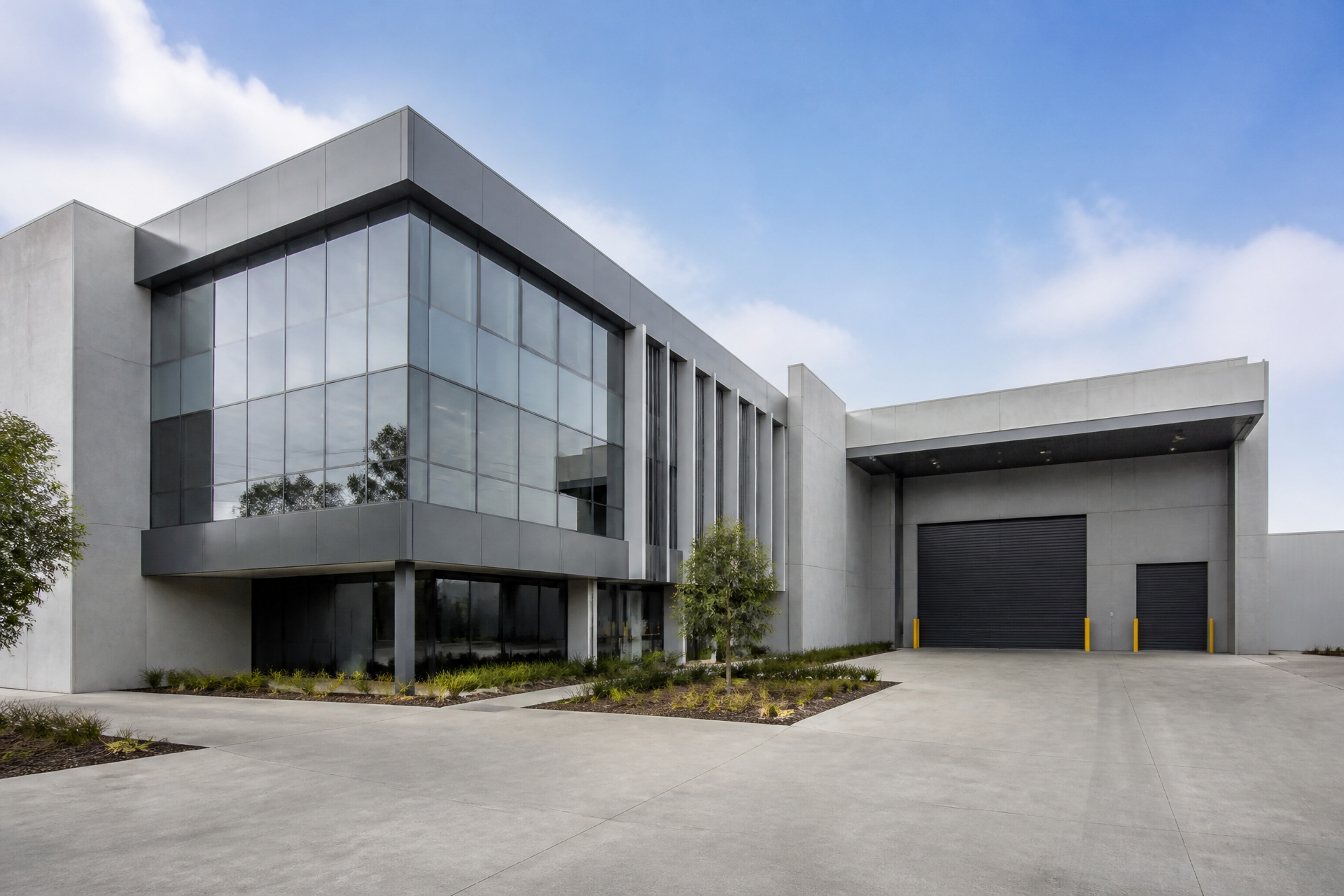
Understand older versus newer industrial property
Age alone does not determine quality
The South East contains both modern industrial estates and older established buildings.
Newer property can offer higher clearance, better energy efficiency and more modern loading facilities.
Older assets can offer larger land components, established locations and building configurations that remain highly practical.
Neither is automatically superior.
We want to know:
Does the building still meet tenant requirements?
What capital expenditure is approaching?
How difficult would it be to replace the site?
Does the rent appropriately reflect the quality of the building?
Could the premises be upgraded economically?
A well located older asset can remain a strong investment where the building is functional and the price reflects its condition.
Future supply can influence leasing demand
A deep market can still contain significant competition
The South East continues to accommodate new industrial and commercial development.
For investors, that means future supply needs to be considered alongside tenant demand.
We look at:
How much vacant land remains?
What new buildings are being delivered?
What size properties are being developed?
Will those projects compete with the asset?
Does the existing building offer advantages that new property may not?
An established asset may benefit from location, land or a lower rental requirement.
A newer property may offer better functionality.
The investment decision needs to consider how those alternatives compete for the same tenant.
Current rent and market rent
Understand what supports the current yield
A strong rental return can make an industrial property appear immediately attractive.
But the rent needs to be tested against current leasing evidence.
If the tenant is paying above market, the income may be difficult to reproduce when the lease ends.
If the property is under rented, there may be future potential depending on the lease terms.
We want to understand:
What would another business reasonably pay to occupy this property today?
That provides a more reliable basis for assessing both the income and the purchase price.
Owner occupier demand
Business owners can broaden the future buyer market
The South East has a substantial population of businesses that may want to own their premises.
For smaller and mid sized industrial property, owner occupiers can be an important source of demand.
They may value:
- Location
- Access
- Parking
- Warehouse functionality
- Power
- Land
- Expansion potential
- Control of their premises
A property attractive to both investors and business owners may have a broader future buyer market.
That can become particularly relevant when a lease is approaching expiry.
How UB Commercial approaches a South East Melbourne acquisition
UB Commercial represents investors and business owners acquiring commercial property across Melbourne’s South East.
Depending on the engagement, we can assist with defining the acquisition brief, identifying suitable precincts, searching on market and privately introduced opportunities, assessing the property, reviewing tenant and lease fundamentals, analysing comparable sales, assessing market rent, coordinating commercial due diligence and negotiating with the selling side.
We also consider the property beyond the current lease.
Does the building remain functional?
How many businesses could use it?
What competing supply exists?
Could an owner occupier buy it?
What future expenditure may be required?
And does the purchase price reflect those factors?
Buying commercial property in Melbourne’s South East
Melbourne’s South East provides investors with access to one of the city’s deepest commercial and industrial markets.
There is a substantial business base.
There are established employment precincts.
There is a wide variety of property.
And there can be strong demand from both tenants and owner occupiers.
But depth of market does not remove the need to choose carefully.
The building needs to function.
The location needs to suit the occupier.
The rent needs to be sustainable.
Future supply needs to be understood.
And the price needs to reflect the quality of what is being acquired.
The advantage of the South East is not simply the amount of commercial property available. It is the ability to be selective within a large and established market.
UB Commercial represents investors and business owners acquiring commercial property across Dandenong South, Keysborough, Braeside, Moorabbin, Clayton and the broader South East Melbourne market.
We help establish the acquisition brief, identify suitable opportunities, assess the property and negotiate the acquisition from the buyer’s side.