
LOCATION — NSW
Commercial Property Buyers Agent Sydney Hills District
Sydney's Hills District has developed into a substantial commercial and employment market in its own right, combining established business parks, medical and professional services, retail centres, light industrial property and a growing population base.
Buying commercial property in Sydney’s Hills District
Sydney’s Hills District has developed into a substantial commercial and employment market in its own right.
The area combines established business parks, medical and professional services, retail centres, light industrial property and a growing population base across locations such as Norwest, Bella Vista, Castle Hill, Baulkham Hills and Rouse Hill.
For commercial property investors, that creates a broader range of opportunities than the area is sometimes given credit for.
But the investment case varies significantly by property type.
An office in Norwest should be assessed differently from a medical property in Bella Vista, a service based commercial asset in Castle Hill or a smaller industrial property serving local businesses.
At UB Commercial, we represent investors and business owners acquiring commercial property throughout the Hills District.
Our focus is on finding assets where the location, tenant demand, property quality, lease structure and price work together.
Why investors consider Hills District commercial property
Population and employment growth create different forms of demand
The Hills District has experienced substantial residential and commercial development over time.
That growth can support demand from healthcare providers, professional services, retailers, trades, education providers and businesses servicing the surrounding population.
At the same time, established employment centres such as Norwest attract businesses that operate beyond the immediate local catchment.
For investors, the important question is not simply whether the population is growing.
We want to understand how that growth affects the property being considered.
Does it create more customers for the tenant?
Does it increase demand for healthcare or professional services?
Does it support more businesses needing commercial premises?
Will competing supply also increase?
Growth is useful when it creates sustainable demand for the particular property.
Norwest and the office market
The building needs to compete for tenants
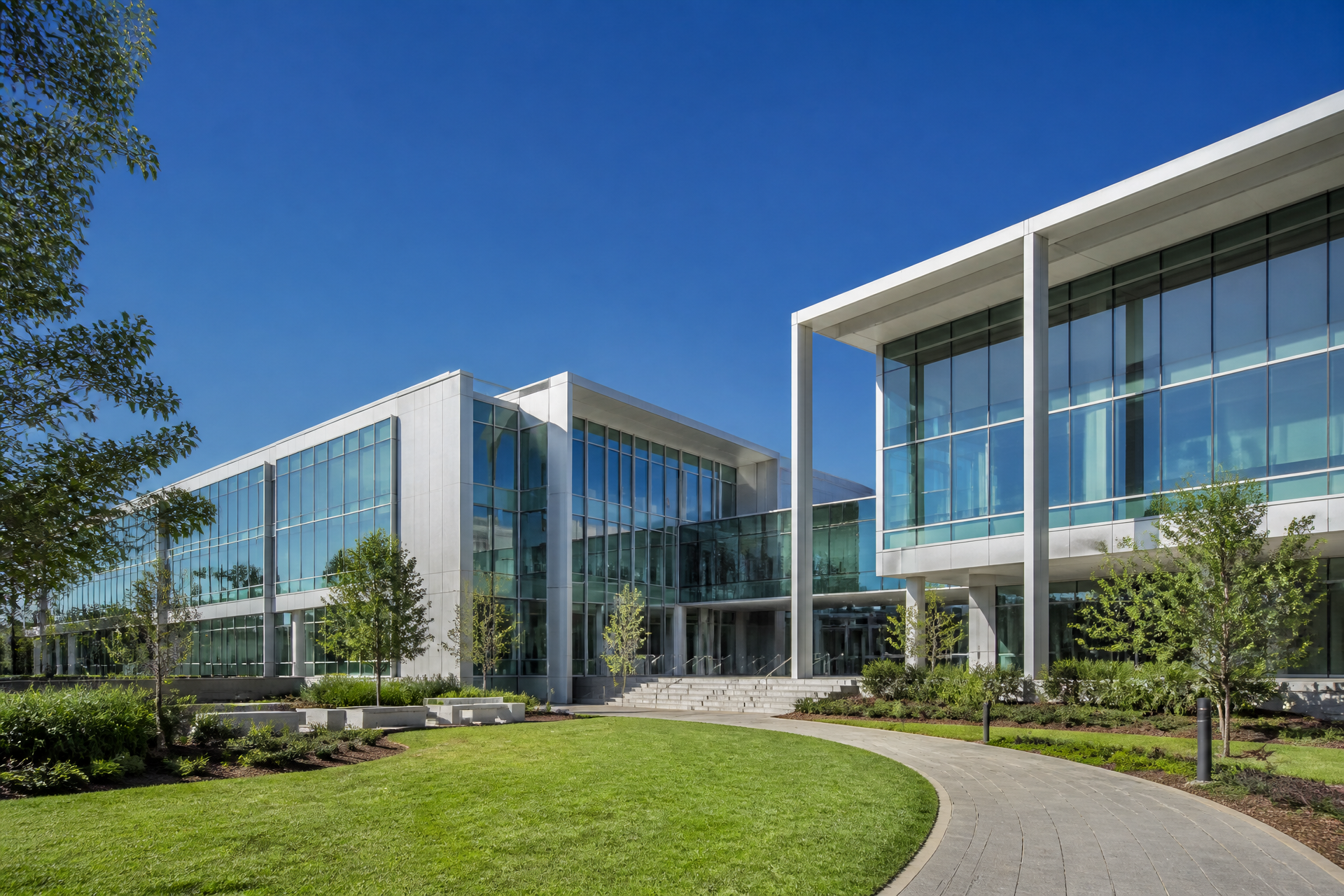
Norwest is one of the Hills District’s most established commercial centres, with a substantial concentration of office, medical and business premises.
For investors, office property in this market needs to be assessed carefully.
Tenants have choices.
That means we want to understand why a business would select one building over another.
We consider factors such as:
- Parking
- Public transport access
- Floorplate efficiency
- Natural light
- Building presentation
- Fitout
- Lift access
- End of trip facilities
- Surrounding amenity
- Outgoings
- Local vacancy
- Competing office supply
The current lease may provide attractive income.
But the underlying property needs to remain competitive when that lease eventually ends.
A well leased office is stronger when there is also a clear reason for the next tenant to choose it.
Medical and healthcare property
Local population can support long term service demand
The Hills District has a significant and growing need for healthcare and allied health services. That can create opportunities in medical suites, consulting rooms and other healthcare related commercial property. Medical tenants can be attractive because many operators invest heavily in fitout and value continuity of location. But the property itself still matters. We assess:
- Accessibility
- Parking
- Disability access
- Ground floor or lift access
- Building configuration
- Visibility
- Proximity to complementary health services
- Market rent
- Lease structure
- Fitout
- Alternative medical users
A specialised fitout may strengthen a tenant’s connection to the property. It may also narrow the future tenant pool. The investment needs to account for both.
Retail and service based commercial property
The surrounding catchment needs to support the business
Castle Hill, Rouse Hill, Baulkham Hills and other established centres support a wide range of businesses serving local residents.
For commercial investors, that can create opportunities in retail, medical, professional and service based property.
The strength of these assets often comes down to convenience.
Can customers find the premises?
Is parking available?
Is the site easy to access?
Does the surrounding population support the tenant’s business?
Are complementary businesses nearby?
Would another operator be able to use the premises?
A property may sit within a strong population catchment and still be poorly positioned for the tenant.
The local market matters. The individual position matters more.
Smaller industrial and trade based property
Practical premises can have broad appeal
The Hills District also contains industrial and trade based property serving construction businesses, trades, service operators, distributors and other local enterprises.
These properties may not resemble the large logistics facilities found further west.
But they can still be attractive investments where the building is functional and the local occupier market is broad.
We look at:
- Vehicle access
- Loading
- Warehouse clearance
- Parking
- Power
- Office component
- Building configuration
- Site efficiency
- Ability to divide the premises
- Alternative tenant demand
For smaller industrial property, flexibility can be particularly important.
A unit or freestanding building that suits several different types of business can be easier to re lease than a highly specialised premises.
Understand future supply
Growth can create demand and competition
One of the important considerations in a developing commercial market is future supply.
New residential development may increase demand for services.
But new commercial development can also create more space for tenants to choose from.
We therefore want to understand both sides of the equation.
What new office, medical or commercial property is planned?
How much vacant or developable land remains?
Will new supply compete directly with the asset?
Is the existing property differentiated by location, parking, access or building quality?
A growing market can support an investment.
But growth does not remove the need to understand what else may be built.
Current rent and market rent
The lease should be supported by the market
A commercial property may be producing an attractive level of income today.
The question is whether that income is sustainable.
We compare the current rent with available market evidence to understand what another tenant might reasonably pay.
If the current rent is materially above market, the headline yield may give an overly positive impression of the underlying investment.
If the rent is below market, there may be future potential depending on the lease terms.
The key question remains:
What is the sustainable rental value of the property?
That provides a stronger basis for assessing both the income and the price.
Owner occupiers can influence demand
Some business owners prefer to control their premises
The Hills District also attracts businesses seeking commercial property for their own occupation.
Medical practitioners, professional firms, trades and other businesses may prefer to own rather than lease where the location is important to their operations.
That can create another source of demand for suitable assets.
For investors, this is relevant because a property capable of attracting both tenants and owner occupiers may have a broader future market.
We therefore consider whether the property would remain attractive even without the current lease in place.
How UB Commercial approaches a Hills District acquisition
UB Commercial represents investors and business owners acquiring commercial property throughout Sydney’s Hills District.
Depending on the engagement, we can assist with defining the acquisition brief, identifying appropriate locations, searching the market, screening properties, reviewing tenant and lease fundamentals, assessing market rent, analysing comparable sales, coordinating commercial due diligence and negotiating with the selling side.
We also look beyond the current lease.
Would another business want the premises?
How much competing stock is available?
Will future development strengthen or weaken the property’s position?
Could an owner occupier become a future buyer?
And does the purchase price reflect those factors?
Buying commercial property in Sydney’s Hills District
The Hills District offers a combination of established employment centres, strong residential catchments and a diverse local business market.
That can create opportunities across office, medical, retail, service based and industrial property.
But the strength of the broader area is only the starting point.
The building needs to remain useful.
The tenant market needs to be understood.
The rent needs to be sustainable.
Future supply needs to be considered.
And the price needs to make sense.
The opportunity is not simply buying into a growing area. It is identifying the commercial property best placed to benefit from that growth.
UB Commercial represents investors and business owners acquiring commercial property across Norwest, Bella Vista, Castle Hill, Baulkham Hills, Rouse Hill and the broader Hills District.
We help establish the brief, identify suitable opportunities, assess the property and negotiate the acquisition from the buyer's side.