
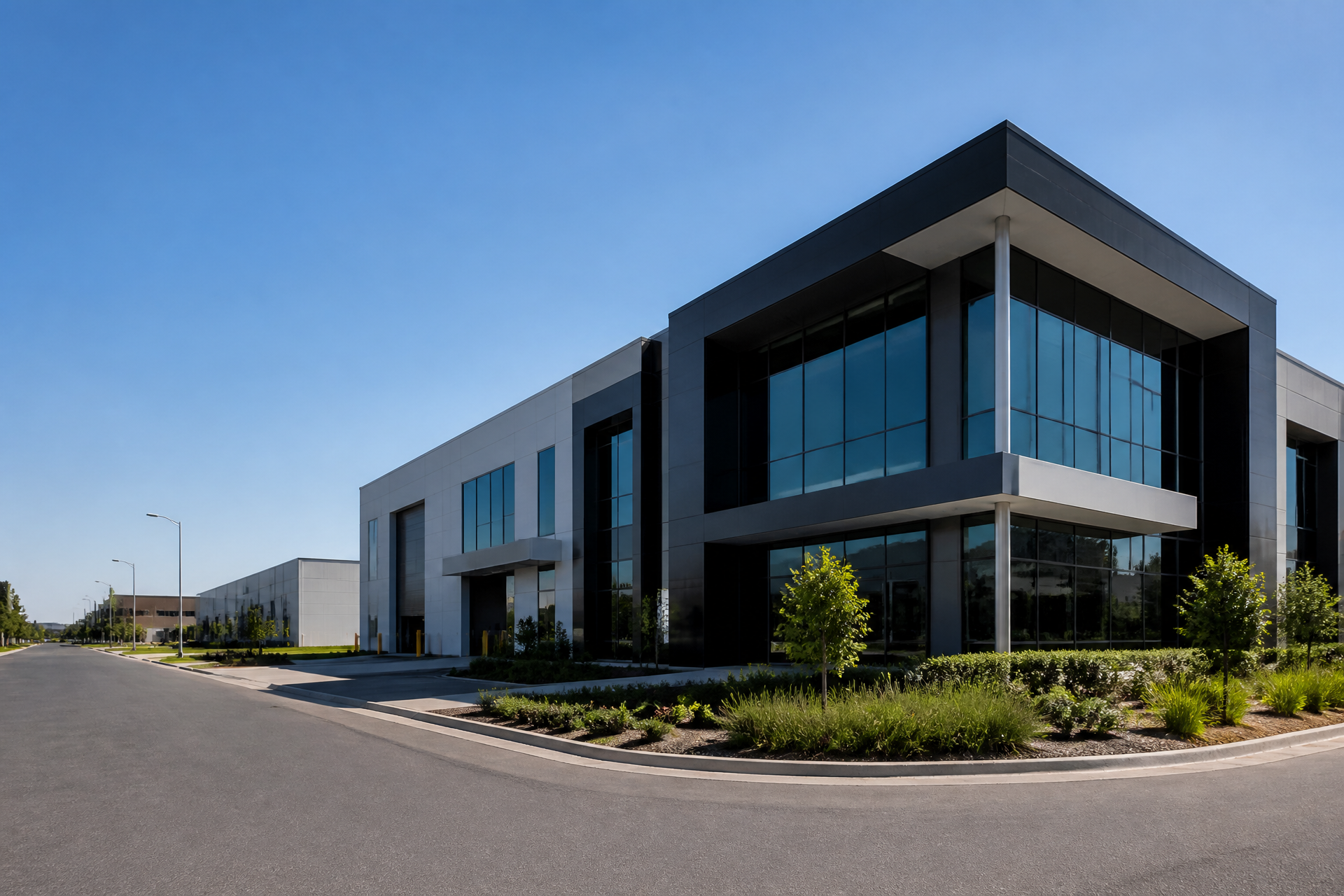
LOCATION — NSW
Commercial Property Buyers Agent Newcastle & Hunter
Newcastle and the Hunter offer a commercial property market with characteristics that are difficult to replicate elsewhere in New South Wales, combining a major port, established industrial precincts, manufacturing and logistics activity, healthcare, education and professional services.
Buying commercial property in Newcastle and the Hunter
Newcastle and the Hunter offer a commercial property market with characteristics that are difficult to replicate elsewhere in New South Wales.
The region combines a major port, established industrial precincts, manufacturing and logistics activity, healthcare, education, professional services and a large network of businesses servicing the broader Hunter economy.
That diversity creates opportunities across industrial, office, medical, retail and other commercial property.
But Newcastle and the Hunter should not be treated as a single market.
A warehouse in Beresfield serves a different occupier from an industrial facility in Tomago. An office in Newcastle’s city centre has a different investment profile from a medical property in a suburban commercial centre or a trade based property in Cardiff.
At UB Commercial, we represent investors and business owners acquiring commercial property across Newcastle and the Hunter.
Our approach is to understand why businesses need to be in a particular location, whether the property suits that demand and whether the income and price justify the investment.
Why investors consider Newcastle and the Hunter
A commercial market supported by more than one industry
Newcastle and the Hunter have long been associated with heavy industry, resources and the port.
Those sectors remain important, but the commercial property market is supported by a much broader economic base.
Healthcare, education, logistics, construction, engineering, professional services, manufacturing, defence related industries, trade businesses and a growing service economy all contribute to demand for commercial premises.
For investors, that diversity can be important.
A commercial property is ultimately valuable because businesses need somewhere to operate.
The deeper and more varied that business base is, the greater the potential pool of future occupiers for the right type of property.
But we do not assume that broad regional growth makes every commercial property attractive.
We still want to understand:
Who uses this precinct?
Why are businesses located here?
How much competing property is available?
What would another tenant pay?
Would the building suit alternative occupiers?
How easy would the property be to sell in the future?
Regional strength creates the environment. The individual property still needs to perform within it.
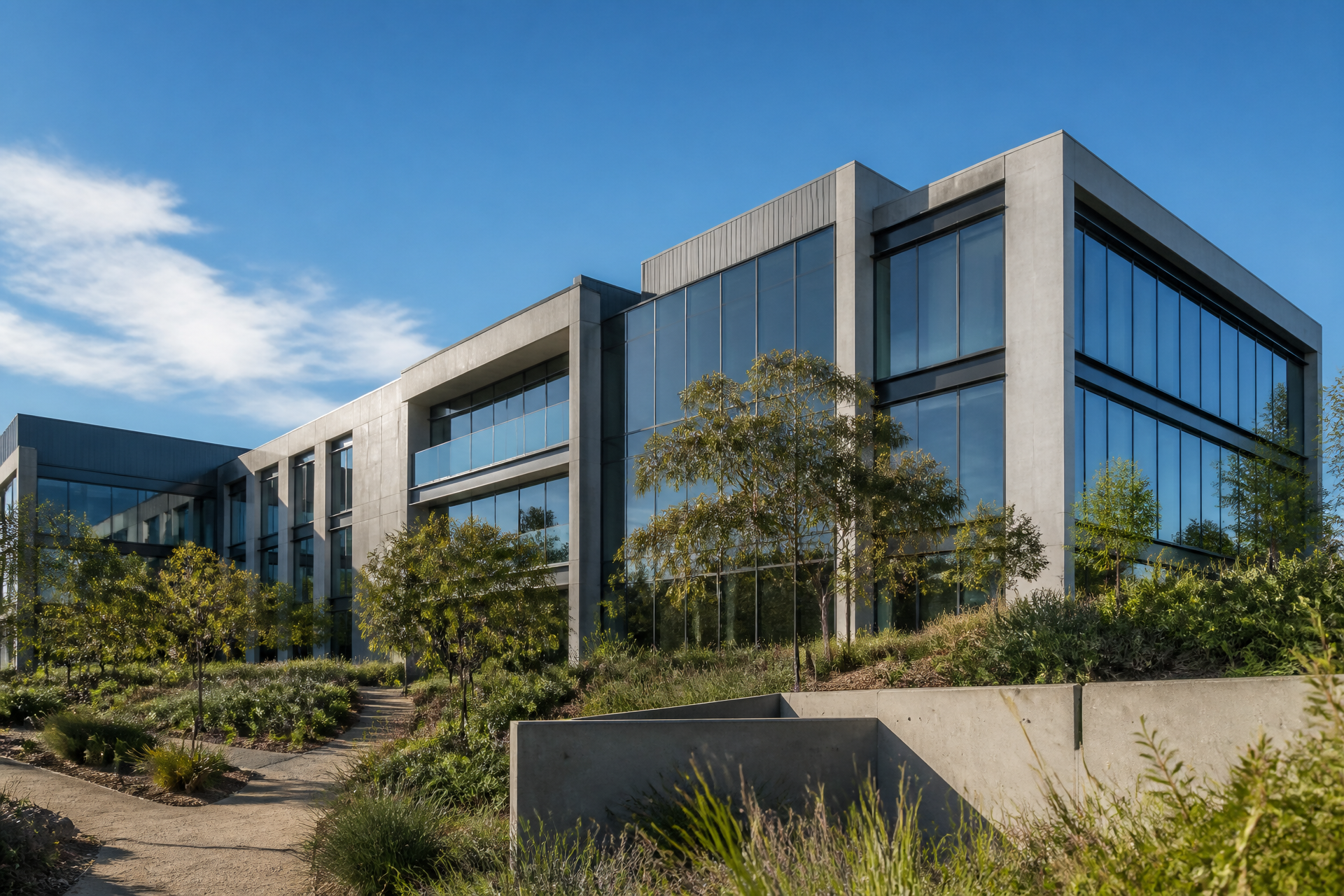
Industrial property in Newcastle and the Hunter
Understand the occupier market behind the warehouse
Industrial property is one of the most significant parts of the Newcastle and Hunter commercial market.
Established precincts include areas such as Beresfield, Thornton, Tomago, Mayfield, Carrington, Cardiff and Heatherbrae, together with other industrial and trade locations across the region.
These areas do not all compete for the same tenants.
Beresfield and Thornton can appeal to logistics, distribution, trade and industrial businesses that value access to major transport routes.
Tomago and surrounding areas can suit larger industrial, manufacturing and engineering users.
Cardiff and nearby precincts serve a broad mix of local trade, service and industrial businesses.
Locations closer to Newcastle and the port can have different strategic advantages again.
When assessing an industrial property, we therefore start with the business use.
What does the tenant actually need from the property?
Then we assess whether the building provides it.
That can include:
- Truck and vehicle access
- Loading areas
- Warehouse configuration
- Ceiling clearance
- Hardstand
- Parking
- Power
- Crane capacity where relevant
- Office component
- Site area
- Site coverage
- Ability to expand or divide the premises
- Building condition
- Alternative occupier demand
An industrial property may be leased to an excellent tenant today.
But if the building is too specialised, poorly configured or expensive to adapt, the investor may have fewer options when that tenant eventually leaves.
The quality of the lease matters. The usefulness of the building matters for longer.
Logistics and transport connectivity
Access can be part of the investment case
For many industrial and logistics businesses, location is not about prestige.
It is about efficiency.
Access to major roads, the port, employment areas, customers and suppliers can materially affect the value of a property to an occupier.
That means we want to understand the practical movement of goods and people around the asset.
Can trucks access the site efficiently?
Are there restrictions on vehicle movements?
How easily can staff reach the property?
Does the location reduce travel time for the business?
Would another logistics or industrial operator see the same advantages?
A property positioned within an established commercial corridor may have stronger leasing appeal where those efficiencies are difficult to replicate elsewhere.
For industrial property, a few kilometres can materially change how useful a location is to the tenant.
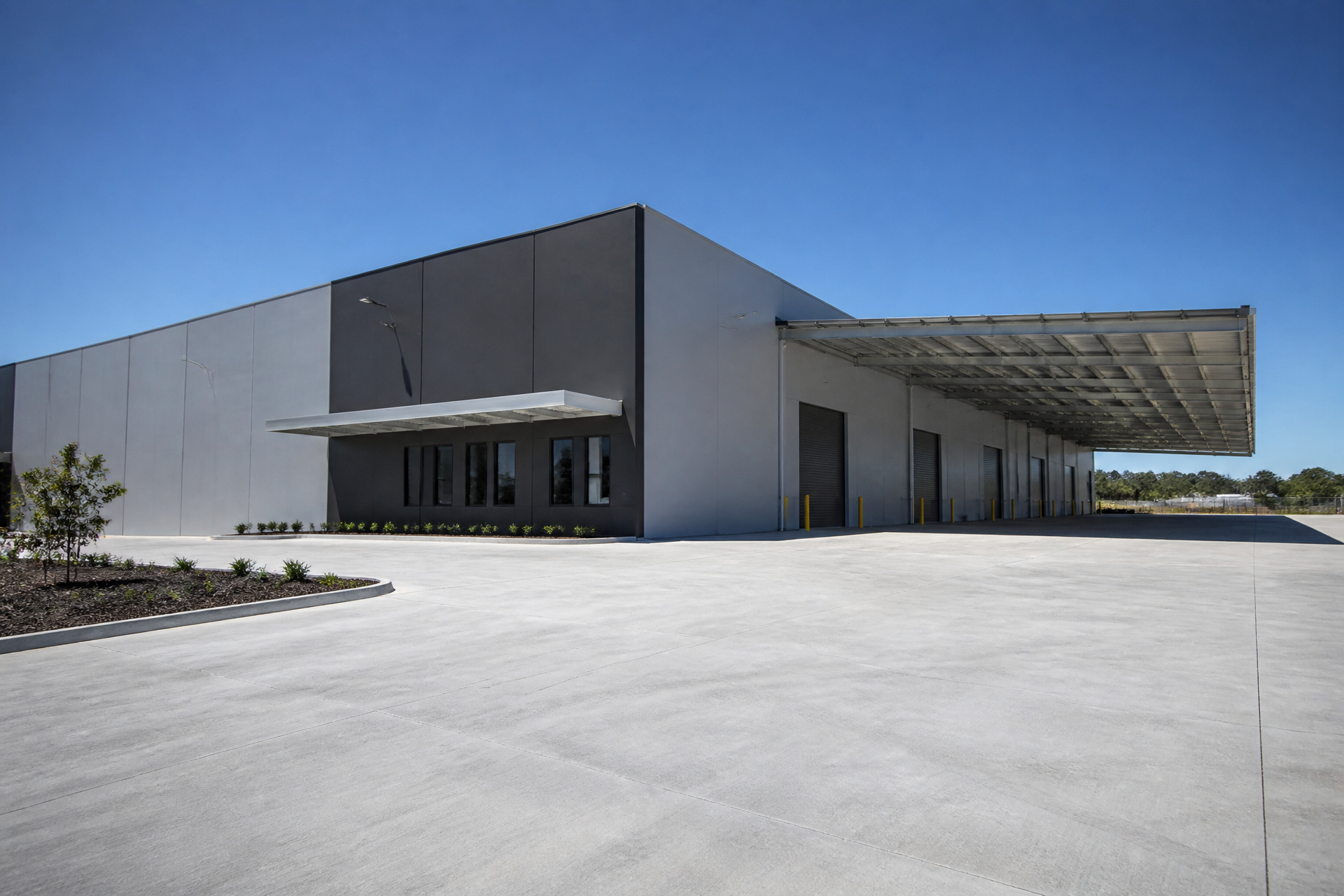
Newcastle office property
Office demand needs to be assessed locally
Newcastle has an established office market serving professional services, government, engineering, healthcare related businesses and other commercial occupiers.
But office investment needs careful property selection.
Different businesses value different things.
Some prioritise proximity to the city centre and clients.
Others may prefer accessible suburban locations with easier parking.
We assess office property against factors such as:
- Location
- Parking
- Public transport
- Floorplate efficiency
- Natural light
- Building presentation
- Lift access
- Fitout
- Amenities
- Operating costs
- Local vacancy
- Competing office supply
- Alternative tenant demand
We also consider the size of the tenancy.
A smaller office capable of attracting a broad range of local professional businesses can have a different leasing profile from a large floorplate requiring a more substantial corporate occupier.
The question is not simply whether the office is leased now.
It is whether businesses are likely to continue choosing that building when space becomes available again.
Medical and healthcare property
Healthcare can create durable property demand
Newcastle and the Hunter serve a large regional population, supporting hospitals, medical specialists, allied health providers and a wide range of healthcare businesses.
For commercial property investors, medical premises can be attractive where the location, property and tenant work well together.
Medical operators may invest heavily in fitout and can value continuity of location.
But the property still needs to make sense independently of the current occupier.
We look at:
- Accessibility
- Parking
- Disability access
- Building configuration
- Location relative to hospitals and complementary services
- Market rent
- Tenant covenant
- Lease term
- Fitout
- Alternative medical users
- Ability to return the property to broader commercial use
The more specialised the premises, the more important it becomes to understand who could occupy the property next.
A high quality medical tenant can strengthen an investment.
A flexible underlying property gives the owner more options over the longer term.
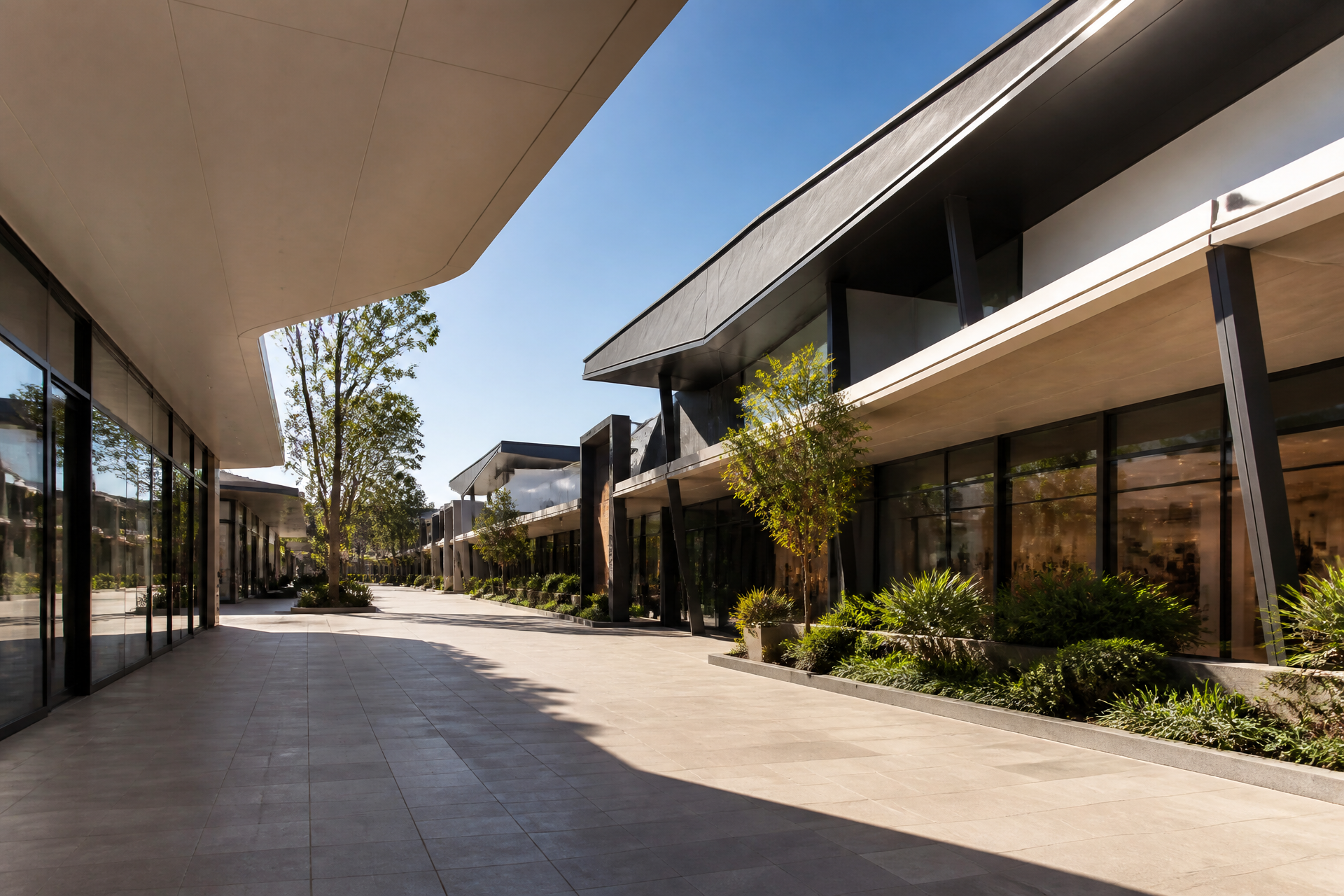
The importance of the local tenant pool
A regional market requires a realistic view of reletting
One of the key considerations in any regional commercial property acquisition is the depth of the tenant market.
If the current tenant leaves, how many other businesses could realistically use the property?
That question becomes particularly important for larger or more specialised buildings.
We consider:
- What industries are active in the area?
- What size premises do businesses typically occupy?
- How much competing space is available?
- How often do comparable properties lease?
- Would the building need substantial modification?
- What incentives may be required?
- How long could the property reasonably remain vacant?
This does not mean avoiding specialised property.
It means understanding the size and characteristics of the market before relying on a future leasing outcome.
The best regional assets generally have a clear reason for businesses to remain interested in them.
Manufacturing, engineering and specialised industrial property
Specialisation can add value when the market supports it
The Hunter has a long industrial history and continues to support manufacturing, engineering, resources related services and other businesses that may require more than a standard warehouse.
Some facilities may include heavy power, cranes, large yards, specialised access or purpose designed improvements.
Those features can be extremely valuable to the right occupier.
The question is whether they are valuable to enough occupiers.
When assessing a specialised industrial asset, we want to understand:
Is the infrastructure genuinely useful?
What would it cost to reproduce?
How many businesses need those features?
Could the property be adapted for a more general user?
Would the land remain valuable if the improvements became less relevant?
Specialisation can create competitive advantage.
It can also narrow the future tenant pool.
The price needs to reflect both.
Owner occupier demand
Some properties have more than one future buyer market
Commercial property in Newcastle and the Hunter is not purchased only by investors.
Business owners also compete for well located warehouses, offices, medical premises and other commercial buildings.
That can be particularly relevant for smaller and mid sized assets.
An owner occupier may be willing to purchase a property because it improves the efficiency of their business, provides control over their premises or secures a location that would otherwise be difficult to replace.
That can create another source of future demand.
When we assess an asset, we therefore consider:
Would another investor want this property?
And:
Would a business owner want to own and occupy it themselves?
Where the answer to both is yes, the future buyer pool may be broader.
Current rent and market rent
Know what the property would lease for today
The income stated in the lease does not automatically represent the property's current rental value.
A tenant may be paying above market rent.
They may be paying below market.
Or the rent may be appropriately aligned with current evidence.
This matters because commercial property is often valued heavily by reference to its income.
If the current rent is above what the market would support, the headline yield may look stronger than the underlying property really is.
If the property is under rented, there may be future potential depending on the lease structure.
We therefore want to establish:
What would another tenant reasonably pay for these premises today?
That question helps us understand both the sustainability of the current income and the likely position when the lease eventually ends.
Consider the land as well as the building
The site can provide another layer of value
In industrial and commercial property, the land can be just as important as the improvements.
We look at:
- Land area
- Frontage
- Access
- Site coverage
- Hardstand
- Parking
- Shape
- Topography
- Planning controls
- Surrounding uses
- Expansion potential
- Alternative future uses
A building may eventually become outdated.
A well located and functional commercial site may continue to have value beyond the existing improvements.
That does not mean every larger site represents a development opportunity.
But understanding the land helps us assess how much flexibility the property may provide over a longer ownership period.
Look beyond the headline yield
Higher return usually deserves another question
Commercial property in regional markets can sometimes offer higher yields than comparable assets in Sydney.
That can be attractive.
But the yield should not be assessed in isolation.
A higher return may reflect:
A shorter lease
A smaller tenant market
Greater vacancy risk
A specialised building
Higher future expenditure
A weaker tenant
Or simply different market pricing
It may also represent a genuinely attractive opportunity where the risks are lower than the price suggests.
Our role is to understand the difference.
The question is not whether the yield is high. It is whether the return adequately compensates the investor for the property being acquired and the risks being accepted.
Buying off market in Newcastle and the Hunter
Market access should widen the search, not lower the standard
Commercial property opportunities across Newcastle and the Hunter can be found through public campaigns, agent relationships, pre market introductions and private discussions.
We consider all of them.
Off market opportunities can be particularly useful where an asset type is tightly held or where owners are willing to transact without conducting a broad campaign.
But the method of sale does not determine the quality of the investment.
An off market property still needs to be tested against:
Market value
Market rent
Tenant quality
Lease structure
Building functionality
Future demand
Capital expenditure
Exit potential
Access helps us find opportunities. Analysis determines whether we should pursue them.
How UB Commercial approaches a Newcastle and Hunter acquisition
As a commercial property buyer's agent in Newcastle and the Hunter, UB Commercial represents the purchaser throughout the acquisition process.
Depending on the engagement, we can assist with:
- Defining the acquisition brief
- Identifying suitable precincts
- Searching on market, pre market and off market opportunities
- Screening properties
- Assessing the location and underlying real estate
- Reviewing tenant and lease fundamentals
- Analysing comparable sales
- Assessing market rent
- Coordinating commercial due diligence
- Considering future leasing risk
- Developing the negotiation strategy
- Negotiating with the selling side
- Assisting through to settlement
Where specialist advice is required, we work alongside the client's solicitor, accountant, finance adviser, building consultant and other appropriately qualified professionals.
Buying commercial property in Newcastle and the Hunter
Newcastle and the Hunter offer something many commercial property investors value: a substantial regional economy, established employment centres and a wide range of businesses requiring commercial premises.
That creates opportunity across multiple asset types.
But the regional story is only the starting point.
The property still needs to suit the tenant market.
The income needs to be supportable.
The building needs to remain useful.
The land needs to make sense.
And the price needs to reflect the risks as well as the strengths.
The objective is not simply to buy in a strong regional market. It is to identify a strong commercial asset within it.
UB Commercial represents investors and business owners acquiring commercial property across Newcastle and the broader Hunter region.
We help establish the acquisition brief, identify opportunities, assess the property and represent the buyer through negotiation and acquisition.